Derbyshire pest control guide
Pest Control Derbyshire: The Complete Local Guide for Homes, Landlords and Businesses
Pest problems rarely arrive at a convenient time. One day there is a noise in the loft, a few droppings under the sink, a wasp nest near the roofline, or a tenant reporting bites. The next day, the issue feels bigger, messier and more urgent.
This local guide is for anyone searching for pest control Derbyshire, including homeowners, landlords, property managers and businesses. It explains the most common pests across the county, the warning signs to look for, when professional help is needed, and how to reduce the chance of pests returning.
Whether you need general advice, urgent help in Derby, or a trusted Derbyshire pest control company for ongoing support, this guide will point you in the right direction.
Quick navigation
-
Why pest control in Derbyshire is differentUrban, rural and mixed property risks across the county
-
Common pests in Derbyshire homes and propertiesRats, mice, wasps, bed bugs, birds and more
-
Pest control for homesWhat householders should watch for
-
Pest control for landlords and rented propertiesTenant complaints, HMOs, voids and recurring issues
-
Pest control for Derbyshire businessesCommercial risks, hygiene concerns and reputation
-
Warning signs you should not ignoreEarly clues that pests may already be active
-
What professional pest control should includeInspection, treatment, prevention and follow-up
-
FAQsCommon questions about pest control Derbyshire services
Why pest control in Derbyshire is different
Derbyshire has a mix of busy towns, villages, rural properties, farms, industrial estates, older terraces, new-build homes, hospitality venues and commercial units. That variety is part of what makes local pest control more complicated than simply treating one type of building in one type of area.
In Derby and larger towns, pest issues often come from bins, drains, neighbouring properties, food waste, voids, gardens, business premises and shared building structures. In more rural parts of Derbyshire, pest pressure can increase around outbuildings, fields, watercourses, barns, compost areas and older homes with easier access points.
The key point: effective pest control Derbyshire is not just about removing the pest you can see. It is about understanding why it has appeared, where it is getting in, and what can be done to stop the same issue coming back.
This is why a local approach matters. A good pest control service should look at the property type, the surrounding area, the season, the pest species and any repeat patterns. A wasp nest in a roof space, mice in a kitchen, bed bugs in a rental property and birds around a commercial roof all need very different solutions.
For customers searching for local pest control Derbyshire, the best starting point is usually to identify the signs, avoid disturbing the affected area where possible, and get advice before the problem spreads further.
Common pests in Derbyshire homes, rentals and businesses
Different properties attract different pests, but several problems appear regularly across Derbyshire. Some are seasonal, some are linked to building access, and others are caused by food, warmth, shelter or movement between neighbouring properties.
Rats
Rats are one of the most urgent pest problems for homes, landlords and businesses. They can enter through damaged drains, gaps around pipes, broken air bricks, poorly sealed doors, garden structures, bin areas and outbuildings. The signs often include droppings, gnaw marks, scratching noises, grease smears and disturbed insulation.
Because rats can move quickly between outside and inside areas, early action is important. For targeted support, visit the rat control page.
Mice
Mice are smaller than rats, but they can still cause a lot of stress and disruption. They are often found in kitchens, lofts, cupboards, wall voids, garages, stock rooms and commercial units. A small gap is often enough for them to enter, and many people only realise there is a problem after finding droppings or hearing movement at night.
If you are noticing repeat signs indoors, the mice control page is the most relevant next step.
Wasps
Wasps are a common seasonal issue across Derbyshire, especially around rooflines, loft spaces, sheds, garages, wall cavities, gardens and outdoor seating areas. A nest near a doorway, school, business entrance, care setting or family garden can quickly become more than a nuisance.
It is best not to block the entrance to a wasp nest or attempt removal without the right equipment. For help with nests, visit the wasp control page.
Bed bugs
Bed bugs affect homes, hotels, guest accommodation, HMOs, rental properties and furnished rooms. They are not a sign of poor hygiene. They spread through luggage, furniture, clothing, visitors and room-to-room movement. The usual signs include bites, small blood marks, dark spotting on mattresses, shed skins and insects hiding around bed frames.
Fast identification makes treatment easier. For support, see bed bug control.
Birds
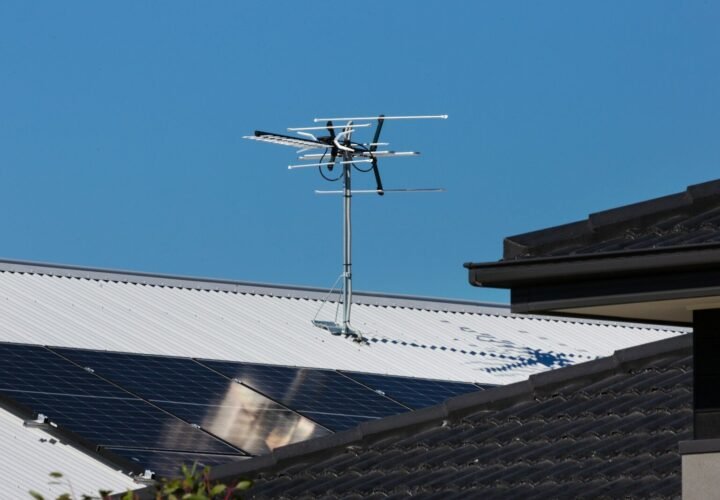
Bird problems are common around roofs, ledges, gutters, solar panels, signage, warehouses and commercial buildings. The issue is not only noise or mess. Nesting material, droppings, blocked gutters and repeated roosting can all create property and safety concerns.
For advice on proofing and control options, visit the bird control page.
Insects and other pests
Ants, fleas, flies, beetles, moths and cockroaches can all affect Derbyshire properties depending on the building, the season and the source of the infestation. Some are mostly nuisance pests, while others can affect stock, soft furnishings, hygiene or customer confidence.
The main services page is a useful place to compare treatment options if you are not yet sure what pest you are dealing with.
Pest control for Derbyshire homes
In a home, pest problems can feel personal very quickly. Scratching in the loft, droppings in kitchen cupboards, insects in bedrooms or wasps near a doorway can make the whole property feel uncomfortable. The temptation is often to try a quick DIY fix first, but that does not always solve the cause.
For homeowners, the most important thing is to look for patterns. Are the noises mostly at night? Are droppings appearing in the same cupboard? Is wasp activity focused on one gap in the roofline? Are bites appearing after sleep? These details help identify the pest and guide the right treatment.
Home pest control works best when treatment and prevention are combined. Removing the current pest pressure is only one part of the job. Entry points, food sources, cluttered areas, damaged vents and roofline gaps often need attention too.
Common domestic callouts include rat control, mice control, wasp nest treatment and bed bug treatment. If you are unsure which service applies, you can use the contact page and explain what you have seen, where you have seen it, and how long it has been happening.
Pest control for landlords, HMOs and rental properties
For landlords and property managers, pest control often needs a faster and more structured response. A tenant may report droppings, scratching noises, bites, fleas, wasps, birds or visible insects. The challenge is working out whether the issue is isolated, linked to the building, connected to neighbouring properties, or caused by a wider maintenance problem.
Rented properties can be more complex because there may be shared walls, shared waste areas, loft voids, communal gardens, previous tenant activity or furnished rooms. HMOs and serviced accommodation can also carry a higher risk of bed bugs and fleas because people and belongings move in and out more frequently.
Common landlord pest issues
- Rodents in kitchens, lofts, bin stores and wall voids.
- Bed bugs in furnished rooms, HMOs and short-stay lets.
- Fleas after tenant turnover or where pets have been present.
- Wasps around rooflines, sheds, garages and garden areas.
- Bird activity around chimneys, gutters, ledges and roof spaces.
Why early action helps
Small pest issues in rented homes can become bigger disputes if they are left too long. Tenants want reassurance, landlords need a clear record of action, and the property itself may need proofing or maintenance to prevent repeat problems.
For landlords, the most useful internal links are often rat control, mice control, bed bug control and bird control.
Pest control for Derbyshire businesses
For businesses, pest control is about much more than removing a pest. It is about protecting staff, customers, stock, reputation, hygiene standards and day-to-day operations. A single pest sighting in a commercial setting can create pressure quickly, especially in food, hospitality, retail, warehousing and managed property environments.
Businesses looking for pest control Derbyshire businesses support usually need a practical plan that includes inspection, treatment, proofing advice and clear reporting. This is especially important for premises with deliveries, food handling, waste storage, customer access, roof voids or neighbouring units.
Food, hospitality and customer-facing sites
Restaurants, cafés, takeaways, pubs, hotels, shops and salons all need fast action when pests appear. Rodents, flies, wasps, bed bugs and birds can affect customer confidence quickly, even if the problem starts small.
For ongoing support, visit commercial pest control.
Warehouses, offices and industrial units
Commercial units often have large access points, loading doors, external waste areas, rooflines, stored stock and quiet voids. These are all areas where pests can enter, hide or return if the root cause is not addressed.
A local Derbyshire pest control company can help identify these risks and recommend practical steps to reduce repeat activity.
If your business has an active issue, start with the commercial pest control page. For species-specific help, use rat control, mice control, wasp control, bird control or bed bug control.
Warning signs that you may need pest control
Many pest problems are already established by the time someone sees the pest itself. Rats and mice often stay hidden. Bed bugs hide around sleeping areas. Birds may nest out of sight. Wasps may be entering a roof space through a small gap. That is why early signs matter.
- Droppings. Often found under sinks, behind appliances, in cupboards, lofts, garages, stock rooms or along walls.
- Scratching or movement noises. Commonly heard at night in lofts, ceilings, wall voids or behind kitchen units.
- Gnaw marks. Rodents may chew wood, plastic, packaging, wiring, insulation or stored items.
- Unusual smells. Strong, stale or musty smells can sometimes point to rodent or insect activity.
- Repeated insect sightings. Seeing one insect may not mean an infestation, but repeated activity in the same area is worth checking.
- Wasps entering one fixed point. If wasps are repeatedly flying in and out of a roofline, wall gap, shed or loft space, there may be a nest.
- Bites or marks after sleeping. This can be linked to bed bugs, especially if combined with spotting on mattresses or bed frames.
- Bird mess, nesting material or blocked gutters. These can point to ongoing bird activity around roofs and ledges.
If you are unsure what the signs mean, avoid guessing. Take clear photos where possible, note the location and frequency, then use the contact page to ask for advice.
What professional pest control in Derbyshire should include
A professional visit should do more than treat the obvious symptom. The aim should be to understand the pest, deal with the current problem and reduce the chance of it returning. This is true for homes, landlords and businesses alike.
Inspection
The first step is to inspect the affected area and look for evidence. This may include droppings, damage, entry points, nesting areas, harbourage, insect activity, roofline access, waste areas or signs around plumbing and service routes.
Identification
Correct identification matters. A mouse problem, rat problem, bed bug issue, wasp nest, bird problem or insect infestation all need different methods. Treating the wrong pest wastes time and can allow the issue to spread.
Targeted treatment
Treatment should be suitable for the pest, the property and the level of activity. This may involve baiting, trapping, nest treatment, insect treatment, proofing recommendations or a planned follow-up depending on the situation.
Proofing and prevention advice
Long-term success often depends on prevention. This could include sealing gaps, improving waste storage, repairing vents, clearing harbourage, managing vegetation, protecting roofline areas or improving cleaning and storage routines.
Follow-up where needed
Some pests need more than one visit, especially rodents, bed bugs and recurring commercial issues. Follow-up helps confirm progress, adjust the treatment plan and check whether the cause has been properly addressed.
For a general overview of available treatments, visit the main pest control services page. Businesses should also look at commercial pest control for more structured support.
Simple pest prevention checklist for Derbyshire properties
You cannot always prevent pests completely, especially where neighbouring buildings, seasonal activity or rural surroundings are involved. However, simple routines can make your property much less attractive to pests.
- Keep bins sealed. Make sure lids close properly and waste is not left loose around the property.
- Check gaps around doors and pipes. Small openings can be enough for mice and other pests.
- Repair damaged vents and air bricks. These are common access points in older properties.
- Keep food stored securely. This applies to homes, food businesses, staff kitchens and storage areas.
- Reduce clutter. Pests prefer quiet, undisturbed areas where they can hide.
- Check lofts, garages and sheds. These areas often show early signs before pests move further inside.
- Monitor rooflines. Wasps, birds and rodents may all use higher-level access points.
- Act early. Waiting rarely makes pest problems cheaper or easier to solve.
When should you call a pest control professional?
Some pest issues are obvious emergencies. Others feel minor at first but can become more serious if ignored. As a general rule, it is worth getting professional advice when there are repeat signs, uncertainty about the pest, risk to children or pets, business disruption, tenant complaints, or activity in sensitive areas such as kitchens, bedrooms and lofts.
You should also call for help if you suspect rats, mice, bed bugs, an active wasp nest, recurring bird problems or any pest issue affecting a commercial premises. These situations are usually easier to manage when they are handled early.
For general enquiries, use the contact page. For service information, visit pest control services. For business premises, go straight to commercial pest control.
FAQs
What pests are most common in Derbyshire?
Common pest issues in Derbyshire include rats, mice, wasps, bed bugs, birds, ants, fleas, flies, moths and beetles. The most likely pest depends on the property type, season, surrounding area and whether the building has easy access points.
Do I need pest control if I have only seen one mouse?
Seeing one mouse can be a sign of a wider issue, especially if there are droppings, noises or repeat sightings. Mice often stay hidden, so it is worth checking early. The mice control page is the best place to start.
Is pest control different for landlords?
Landlord pest control often needs clear communication, fast action and practical proofing advice. Rented properties may have shared walls, communal waste areas, tenant turnover or furnished rooms, so the cause of the problem needs to be properly checked.
Can businesses get ongoing pest control in Derbyshire?
Yes. Businesses can arrange ongoing support through the commercial pest control service. This is especially useful for food businesses, hospitality sites, warehouses, offices, retail units and managed properties.
Should I try to remove a wasp nest myself?
It is usually safer not to disturb a wasp nest yourself. Blocking the entrance or attempting removal without the right equipment can make the wasps more defensive. For help, visit the wasp control page.
How do I know if I have bed bugs?
Common signs include bites after sleeping, small blood marks on bedding, dark spotting around mattress seams, shed skins and insects hiding around bed frames or furniture. If you suspect activity, see bed bug control.
What should I do if I hear scratching in the loft?
Scratching in the loft may be linked to rodents, birds or other wildlife activity. Try to note when the noise happens and whether there are droppings, damage or entry points. For rodent issues, the most relevant pages are rat control and mice control.
What is the best first step if I am not sure what pest I have?
Take note of what you have seen, where it is happening, how often it appears and whether there are signs such as droppings, bites, damage or noises. Then use the contact page for advice before trying to treat the issue yourself.